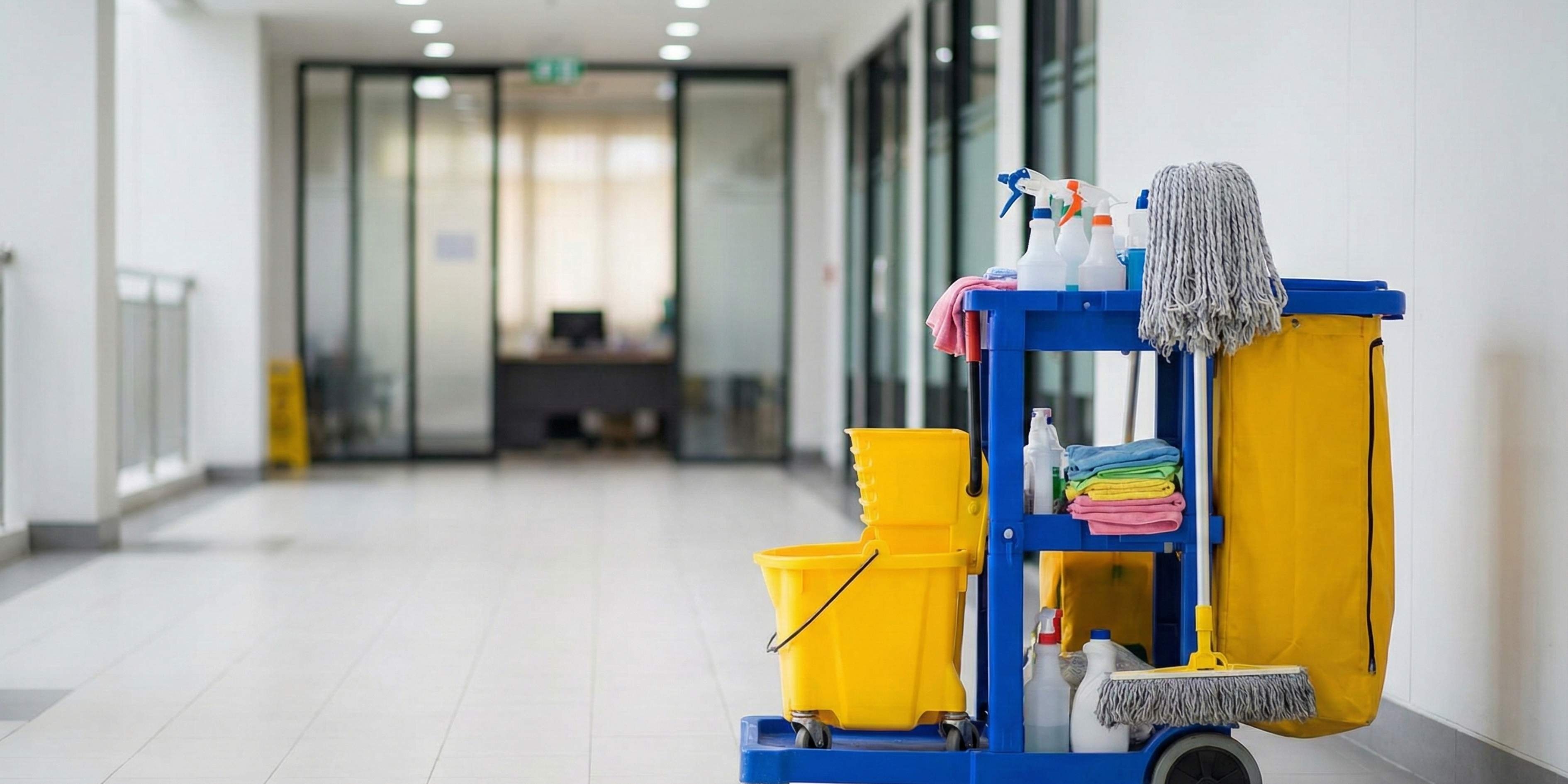
Utilizing eco-friendly cleaning products like Office Cleaner can significantly reduce the environmental impact of cleaning activities, promoting sustainability and a healthier workplace. This approach aligns with the growing emphasis on eco-conscious practices in commercial properties.
Monitoring metrics such as energy usage reductions, waste minimization, and improved indoor air quality can help assess the effectiveness of eco-friendly cleaners. Business owners and facility managers can track these KPIs to ensure sustainable cleaning practices.
Transitioning to eco-friendly cleaning products, including Office Cleaner, can lead to long-term cost savings through reduced resource consumption and improved operational efficiency. Decision-makers can benefit from these financial advantages while promoting environmental stewardship.
Eco-friendly cleaners contribute to a safer and healthier workplace environment by minimizing exposure to harsh chemicals and toxins. Property managers and office managers can prioritize employee well-being by choosing sustainable cleaning solutions like those highlighted in this hub.
Implementing eco-friendly cleaning practices is an essential part of broader sustainability initiatives in commercial properties. By incorporating environmentally friendly products and procedures, businesses can demonstrate their commitment to reducing their carbon footprint and promoting a greener future.
When evaluating how well eco-friendly cleaning products work in commercial settings, certain key performance indicators are essential in gauging their impact on sustainability and overall cleaning effectiveness. For business owners, facility managers, office managers, property managers, and decision-makers tasked with upholding cleanliness, hygiene, and safety standards, paying attention to these metrics is crucial to ensure that cleaning practices align with environmentally conscious initiatives.
One significant metric to consider is the eco-certifications and third-party endorsements of the product. It is advisable to choose cleaners endorsed by reputable organizations like Green Seal or EcoLogo, as these certifications validate the product's environmental claims and guarantee compliance with rigorous sustainability standards.
Another critical metric is the product's performance in cleaning. While eco-friendly cleaners prioritize environmental safety, they must also prove effective in removing dirt, grime, and germs to maintain a hygienic environment. Assessing the product's cleaning power and its ability to meet industry cleanliness standards is paramount.
Moreover, it is vital to evaluate the impact of the product on indoor air quality. Eco-friendly cleaners should not release harmful chemicals or volatile organic compounds (VOCs) that could compromise air quality and endanger building occupants' health. Opting for cleaners with low VOC content can contribute to creating a healthier indoor environment.
Additionally, considering the product's packaging and waste generation is crucial. Choose cleaners packaged in recyclable or biodegradable materials to reduce the environmental footprint. Minimizing waste production through concentrated formulas or refillable containers can further bolster sustainability efforts.
By monitoring these key performance indicators and selecting eco-friendly cleaners that excel in environmental performance, cleaning professionals can champion sustainability, improve workplace well-being, and play a role in fostering a more eco-conscious future.
Key Metrics to Evaluate Eco-Friendly Cleaners:
FAQ: How can I confirm the environmental safety of an eco-friendly cleaner?
To ensure the environmental safety of an eco-friendly cleaner, seek out recognized eco-certifications from bodies like Green Seal or EcoLogo. These certifications guarantee that the product complies with stringent sustainability standards and has been independently verified for its environmental claims.
Measuring Success: Key Metrics for Eco-Friendly Cleaning Practices
Introducing eco-friendly cleaning products in commercial spaces is a smart move with benefits for the environment and everyone using the area. To measure how well these eco-friendly cleaners work, it's crucial to keep an eye on specific metrics that offer valuable insights into their performance. If you're in charge of maintaining cleanliness, hygiene, and safety in commercial properties, here are some key metrics you should pay attention to:
Key Metrics for Evaluating Eco-Friendly Cleaners:
By keeping track of these key metrics, decision-makers can make well-informed choices about the eco-friendly cleaning products they select, contributing to a sustainable and safe work environment.
Frequently Asked Question:
FAQ: How can I make sure that the eco-friendly cleaning products I pick are efficient in maintaining cleanliness standards?
Answer: To ensure the efficiency of eco-friendly cleaning products, look for products with reputable eco-certifications, assess their biodegradability rate, evaluate their soil removal capabilities, and consider their impact on indoor air quality and occupant health.
When it comes to eco-friendly cleaners, it's important to assess how well they stack up against traditional cleaning products. This evaluation looks at factors like cleaning power, stain removal capabilities, and overall efficiency across different cleaning tasks. By evaluating performance, we can determine if these cleaners meet the standards required to keep commercial spaces clean and hygienic.
Measuring the environmental impact of eco-friendly cleaners is key to unlocking their sustainability benefits. This metric takes into account factors such as biodegradability, eco-label certifications, and the reduction of harmful chemicals during the cleaning process. By understanding the environmental impact, businesses can make informed choices that align with their sustainability goals and contribute to a greener future.
Calculating the cost efficiency of eco-friendly cleaners involves looking at their long-term economic advantages. While these products may have a higher upfront cost compared to traditional cleaners, their concentrated formulas and reduced usage can result in cost savings over time. Understanding the cost efficiency of eco-friendly cleaners empowers businesses to make budget-friendly decisions without compromising on quality.
Ensuring user satisfaction with eco-friendly cleaners is crucial for determining their acceptance and usability among cleaning staff. Factors like scent, ease of use, and overall cleaning experience play a role in user satisfaction. By taking into account feedback and preferences from cleaning personnel, businesses can guarantee the successful adoption and integration of eco-friendly cleaning products.
Prioritizing the health and safety aspects of eco-friendly cleaners is essential for fostering a safe work environment. Assessing the impact of these products on indoor air quality, potential allergens, and overall safety for users is paramount. By choosing cleaners that uphold health and safety standards, businesses can improve employee well-being and productivity while maintaining a clean and sustainable workspace.
When it comes to assessing the impact of eco-friendly cleaners in commercial settings, certain cost-effectiveness metrics are pivotal in gauging their sustainability and overall cleaning efficiency. For those overseeing cleanliness, hygiene, and safety in commercial properties, it's essential to grasp and monitor these key metrics:
By keeping an eye on these essential metrics, businesses can confidently choose eco-friendly cleaners, fostering a healthier work environment and contributing to sustainability initiatives.
FAQ: Do eco-friendly cleaners work as well as traditional cleaning products?
Answer: Absolutely, eco-friendly cleaners can match the effectiveness of traditional cleaning products if selected wisely. Prioritize eco-friendly cleaners with proven cleaning performance and certifications from reputable bodies to ensure they meet required standards.


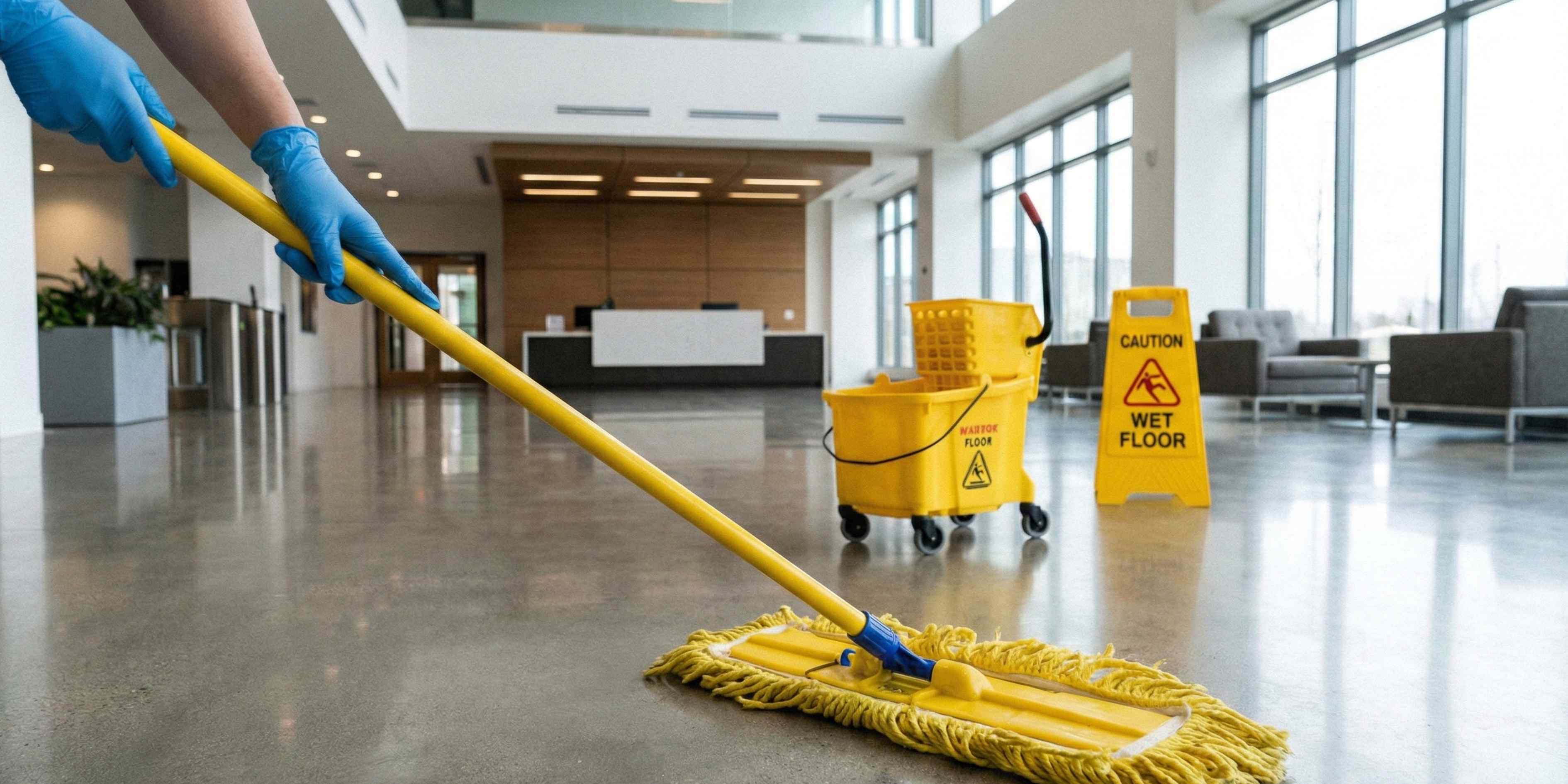

When it comes to evaluating the effectiveness of eco-friendly cleaners in commercial settings, it's essential for business owners, facility managers, office managers, property managers, and decision-makers to consider specific metrics. These metrics not only help assess how well the cleaning products perform but also ensure that sustainability objectives are being achieved.
One critical metric to focus on is the Environmental Impact Score, which gauges the overall environmental effects of the cleaning products utilized. This score considers factors like the biodegradability of ingredients, the materials used for packaging, and the energy consumed during production.
Another significant metric is the Health and Safety Compliance Rating, which examines how well eco-friendly cleaners comply with health and safety standards. This rating looks at aspects such as toxicity levels, appropriate labeling, and the training requirements for employees.
Moreover, keeping an eye on the Cleaning Performance Index is crucial to ensure that eco-friendly cleaners are effectively eliminating dirt, grime, and germs. This index can be measured through visual inspections, microbial testing, or feedback from customers.
By monitoring these key metrics, businesses can uphold high standards of cleanliness, hygiene, and safety while also contributing to a healthier work environment and a more sustainable future.
To guarantee the effectiveness of eco-friendly cleaners, it's important to assess key metrics like the Environmental Impact Score, Health and Safety Compliance Rating, and Cleaning Performance Index. These metrics will help you evaluate the overall performance, environmental impact, and health considerations of the cleaning products, ensuring they align with your sustainability and cleanliness objectives.