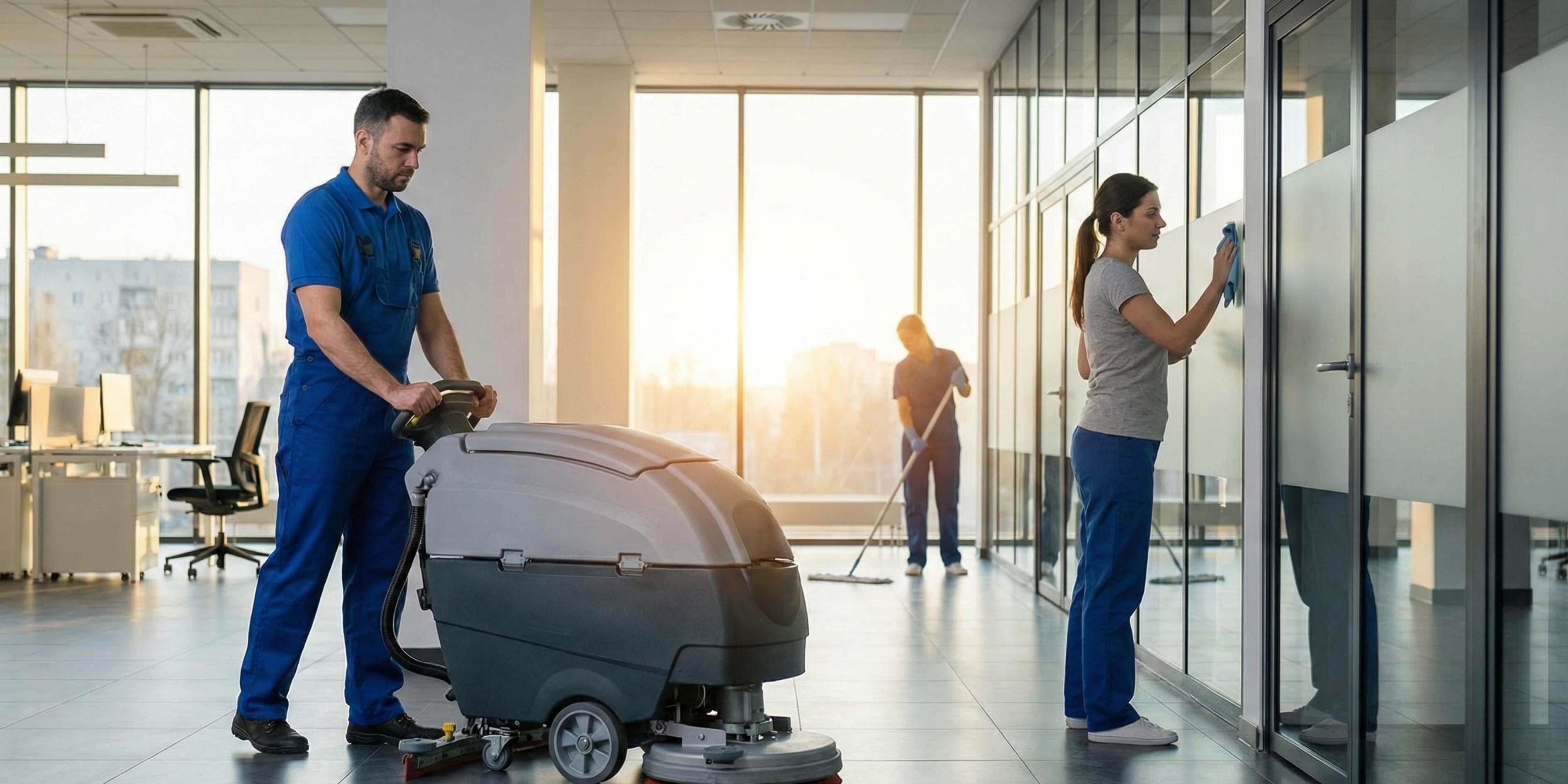
Avoid the mistake of overlooking high-touch surfaces during deep cleaning, as these areas are breeding grounds for germs and bacteria. Make sure your cleaning team focuses on disinfecting doorknobs, light switches, and shared equipment to prevent the spread of illnesses in the workplace.
Deep cleaning services go beyond regular maintenance to reach hidden dirt and grime in hard-to-reach areas. By investing in deep cleaning, you can improve indoor air quality, reduce allergens, and create a healthier environment for everyone in the office, promoting productivity and well-being.
This comprehensive guide outlines best practices for cleaning and disinfecting commercial properties to ensure a safe and hygienic environment. By following the recommendations in this hub, business owners and facility managers can uphold cleanliness, hygiene, and safety standards, providing employees and visitors with a clean and healthy workspace.
When it comes to deep cleaning commercial properties, it's vital to steer clear of common mistakes to ensure that the cleaning process is effective and safe for everyone. Whether you're a business owner, facility manager, office manager, property manager, or a decision-maker responsible for cleanliness and hygiene standards, being aware of these mistakes is crucial during deep cleaning services.
Being mindful of these common mistakes and taking proactive steps to avoid them during deep cleaning processes is essential. By upholding high cleanliness and hygiene standards, commercial properties can offer a safe and healthy environment for both employees and visitors.
Question: What precautions should be taken before scheduling deep cleaning services for a commercial property?
Answer: Before booking deep cleaning services, it's crucial to clearly communicate your specific cleaning needs and expectations to the cleaning service provider. Want an experienced commercial office cleaner across Sydney to maintain office cleanliness for employees and visitors? Office Cleaner Services — providing high-quality commercial cleaning services for small, medium, and large offices.. Additionally, ensure that the cleaning products and methods used are suitable for the property's surfaces and materials to prevent any damage. Properly ventilate the area during and after cleaning to uphold indoor air quality.
When it comes to thoroughly cleaning commercial spaces, it's essential to steer clear of errors to ensure a safe and hygienic environment for both employees and visitors. Business owners, facility managers, office managers, property managers, and decision-makers all have a crucial role in maintaining cleanliness and safety in the workplace. Here are some common mistakes to avoid during deep cleaning:
By sidestepping these errors and conducting thorough deep cleaning processes, businesses can establish a healthier and safer environment for everyone in the commercial property.
Q: How often should deep cleaning be done in a commercial property?
A: The frequency of deep cleaning in commercial properties can vary depending on factors like foot traffic, business type, and health guidelines. However, it's generally recommended to schedule deep cleaning at least quarterly or more frequently for high-traffic areas to uphold optimal cleanliness and hygiene standards.
Regularly maintaining cleaning equipment is crucial to ensure it performs optimally and lasts longer. Neglecting maintenance can cause breakdowns during deep cleaning, leading to delays and inefficiencies. Proper upkeep also helps prevent safety hazards from malfunctioning equipment. Well-maintained tools and machinery contribute to better cleaning results, improving the overall effectiveness of the deep cleaning process.
Properly handling cleaning chemicals is essential to keep cleaning staff and occupants of commercial properties safe. Not following recommended guidelines for chemical dilution, storage, and usage can result in accidents or health risks. Providing adequate training to cleaning personnel on the correct procedures for handling and disposing of chemicals is crucial to prevent contamination or exposure incidents.
Efficient time management is crucial during deep cleaning to minimize disruptions to daily operations in commercial properties. Poor planning and time allocation can lead to extended cleaning periods, impacting business activities. Creating a detailed schedule and allocating enough time for each cleaning task helps businesses maintain productivity while ensuring thorough cleaning and disinfection.
Implementing quality control measures is vital to maintain high cleaning standards during deep cleaning processes. Regular inspections and performance evaluations help identify any shortcomings in the cleaning procedures and enable immediate corrective actions. Upholding quality control ensures that deep cleaning services meet the expected cleanliness and hygiene levels, providing a safe environment for all occupants.
Investing in comprehensive training programs for cleaning staff is essential to ensure proficiency in executing deep cleaning procedures. Proper training equips employees with the skills and knowledge needed to handle specialized cleaning tasks effectively. Ongoing training sessions also keep staff informed about the latest cleaning techniques, equipment usage, and safety protocols, enhancing the overall quality of deep cleaning services provided.
When it comes to thoroughly cleaning commercial properties, it's essential to steer clear of common mistakes to ensure an effective cleaning process. Business owners, facility managers, office managers, property managers, and decision-makers need to be mindful of these pitfalls to uphold a safe and hygienic environment for both employees and visitors.
One common mistake to avoid is not recognizing the importance of disinfection. While cleaning can get rid of visible dirt and debris, proper disinfection is crucial for eradicating harmful bacteria and viruses. Using EPA-approved disinfectants and adhering to recommended dwell times are vital for effectively disinfecting surfaces and reducing the risk of illnesses spreading in the workplace.
Question: How often should deep cleaning procedures be carried out in a commercial property?
Another mistake to steer clear of is neglecting to regularly clean and disinfect high-touch surfaces. Areas like doorknobs, light switches, elevator buttons, and countertops can harbor germs and contribute to the spread of infections if not cleaned frequently. Establishing a routine for disinfecting these high-touch surfaces multiple times a day can help uphold a hygienic environment.
Answer: Deep cleaning procedures should be conducted regularly, ideally at least quarterly, to ensure a consistently clean and hygienic environment for employees and visitors. However, the frequency may vary depending on the property's size, foot traffic, and specific cleaning requirements.
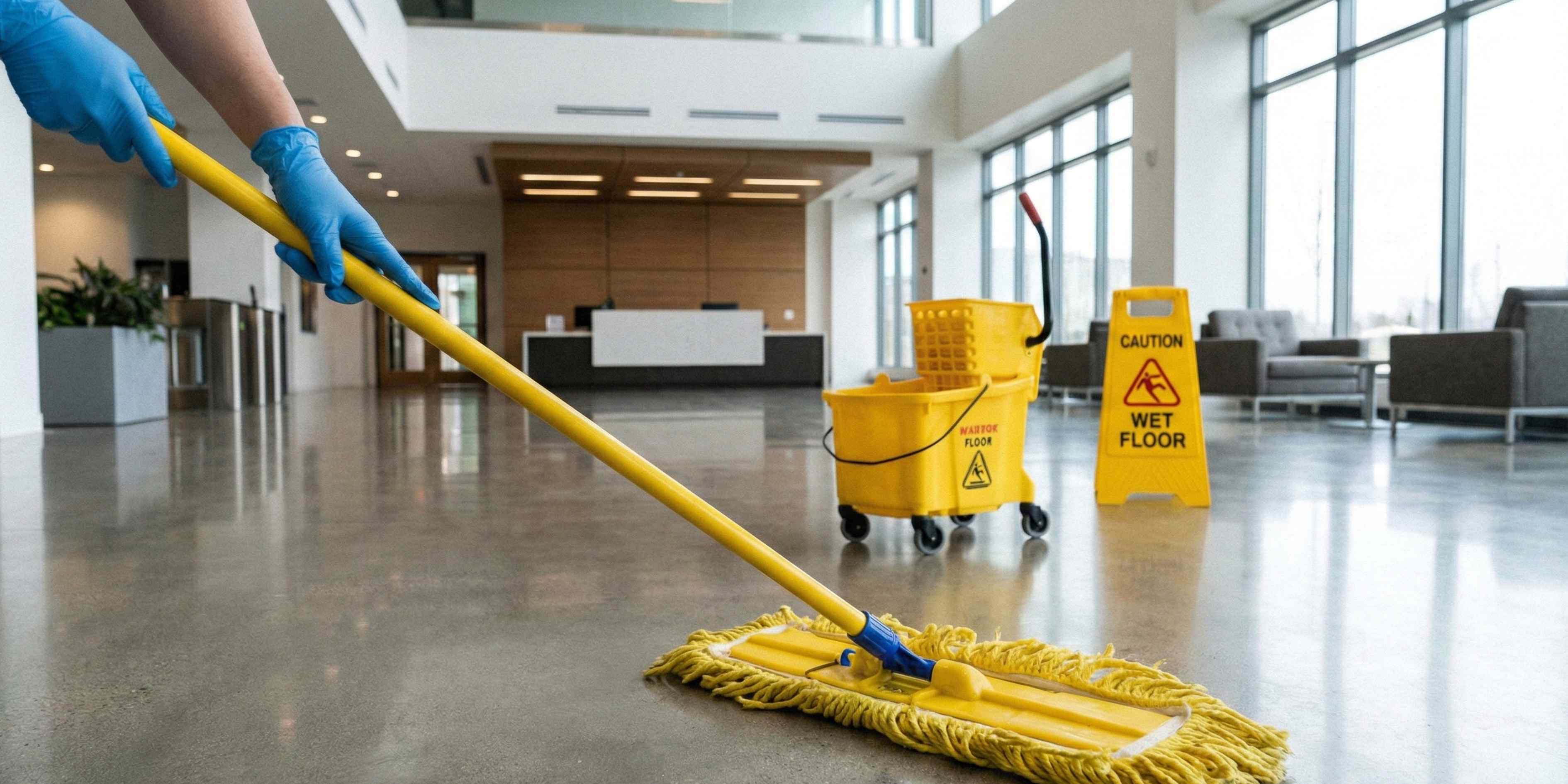
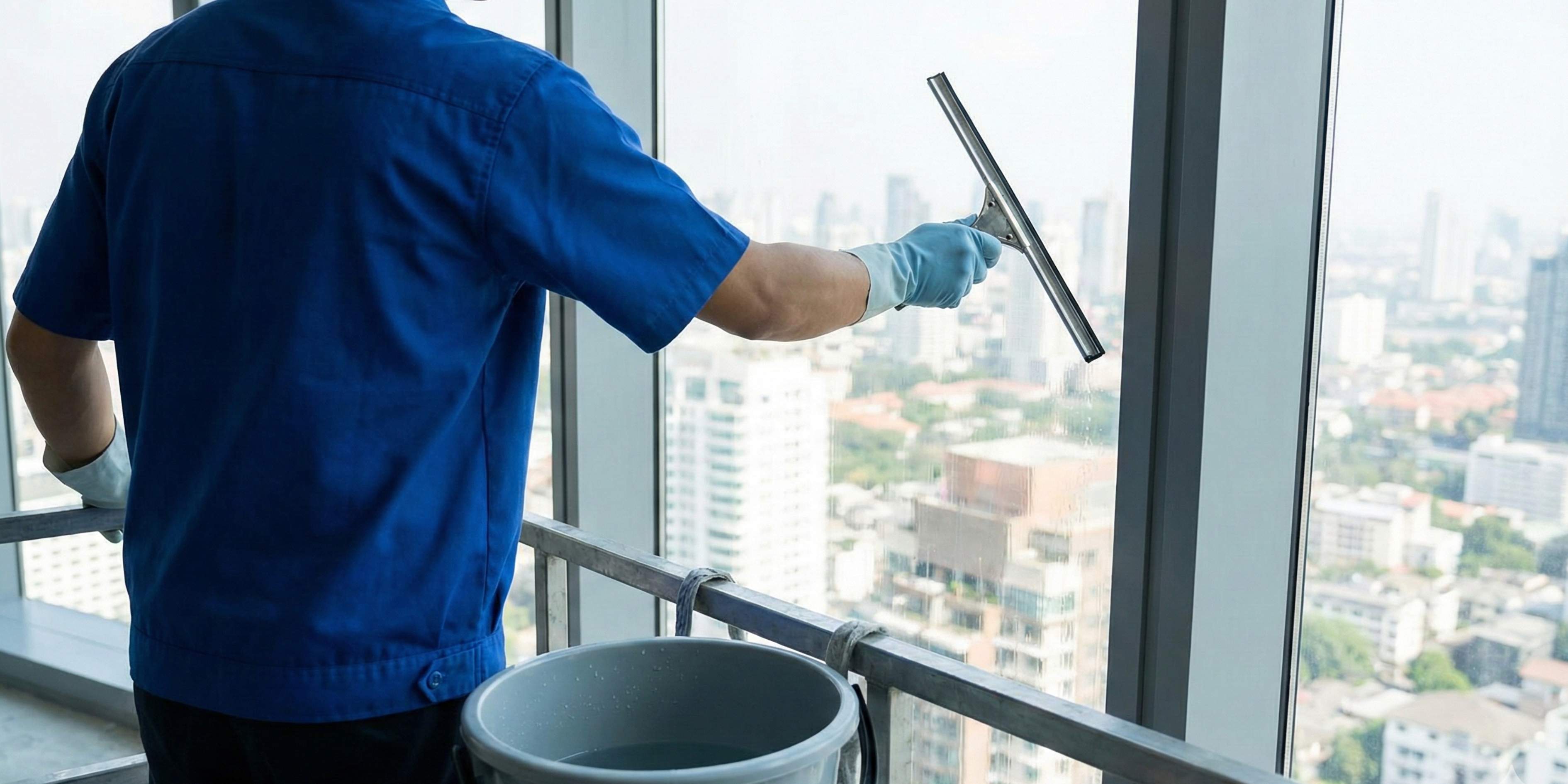
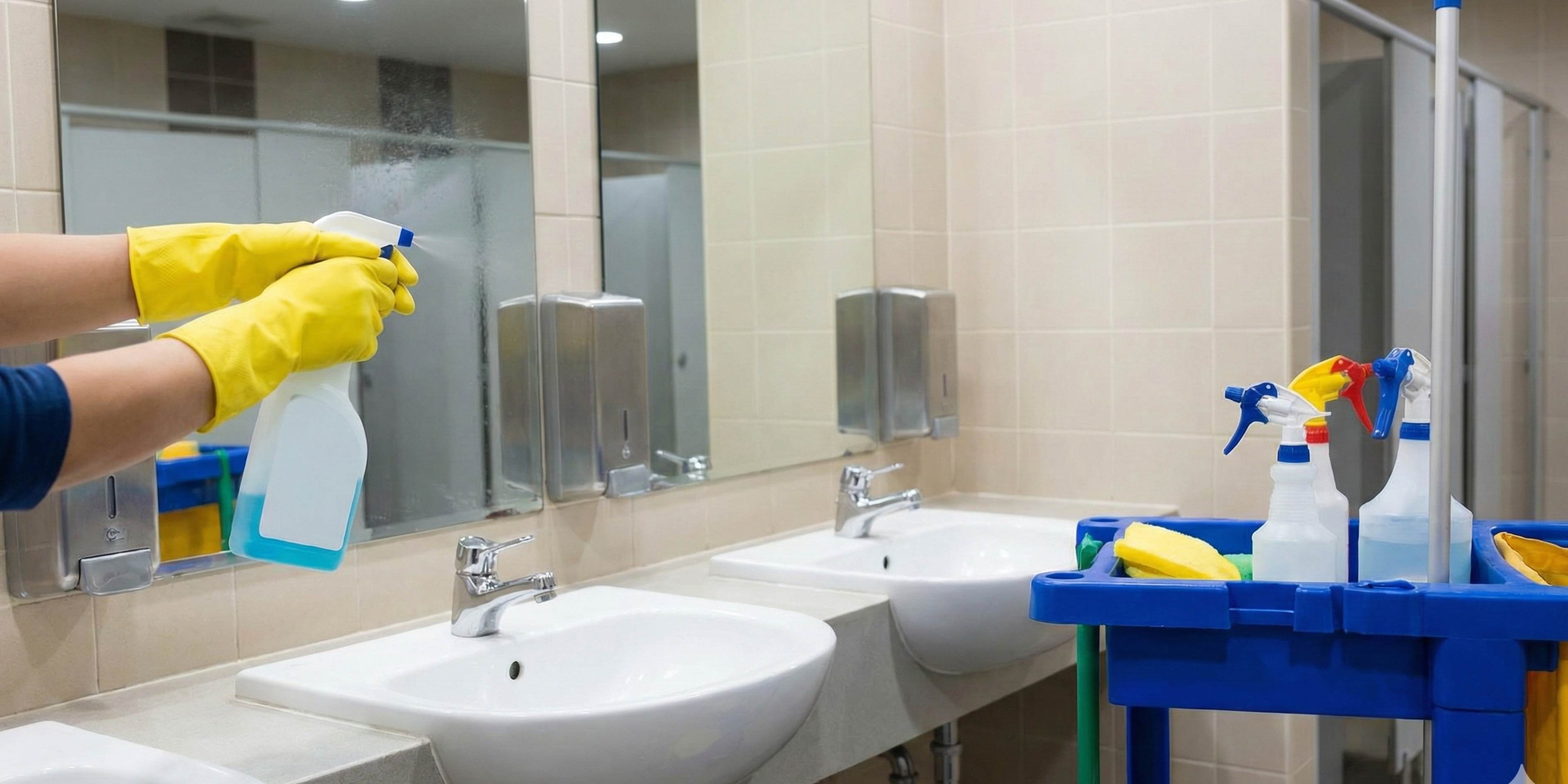
When it comes to deep cleaning in commercial properties, it's vital to avoid certain mistakes to achieve effective results and maintain a safe environment. For business owners, facility managers, office managers, property managers, and decision-makers responsible for cleanliness and hygiene standards, here are some key pitfalls to watch out for:
One common mistake is forgetting to ensure proper ventilation during cleaning processes. Good airflow is crucial to prevent the buildup of harmful fumes from cleaning products. Inadequate ventilation not only risks excessive inhalation of chemicals but also extends surface drying time, potentially leading to mold growth.
Another critical error to steer clear of is mixing incompatible cleaning chemicals. Some combinations can create toxic fumes or dangerous reactions, posing serious health hazards to cleaning staff. Always follow the manufacturer's guidelines and warnings when using different cleaning agents.
Moreover, failing to use personal protective equipment (PPE) is a serious oversight during deep cleaning. Gloves, masks, goggles, and aprons are essential to shield cleaning staff from chemical exposure, pathogens, and other risks present during cleaning activities.
Lastly, neglecting high-touch surfaces and common areas can compromise the overall cleanliness of a commercial property. Concentrating only on visible areas may result in overlooking frequently touched surfaces like doorknobs, light switches, and elevator buttons, which are breeding grounds for germs and bacteria.
By avoiding these mistakes and prioritizing thoroughness and attention to detail, businesses can ensure that their deep cleaning procedures effectively promote a safe and hygienic environment for employees and visitors.
FAQ: What precautions should be taken when using strong cleaning chemicals during deep cleaning?
Answer: Ensure proper ventilation, wear appropriate PPE like gloves and masks, and never mix different chemicals to prevent hazardous reactions.
When it comes to thoroughly cleaning commercial properties, it's vital to avoid mistakes to create a safe and healthy environment for everyone. Business owners, facility managers, office managers, property managers, and decision-makers need to be mindful of common errors that can compromise the effectiveness of deep cleaning processes.
An important mistake to avoid is neglecting high-touch surfaces. These areas, like doorknobs, light switches, and elevator buttons, can harbor a large number of germs and bacteria. Failing to properly clean and disinfect these spots can lead to illnesses spreading among individuals in the workplace.
Another critical blunder is using the wrong cleaning products. Different surfaces and materials require specific cleaning solutions to ensure effective disinfection without causing harm. Using the incorrect products may result in inadequate cleaning or damage to the property.
Additionally, not following correct cleaning protocols and techniques can reduce the overall effectiveness of deep cleaning efforts. It's crucial to train cleaning staff on the proper procedures for different cleaning tasks to achieve the highest standards of cleanliness and hygiene.
A: The frequency of deep cleaning in a commercial property depends on factors like the space's size, the number of occupants, and the business's nature. Typically, deep cleaning should be done at least quarterly, with more frequent cleanings advised for high-traffic areas or places with specific cleanliness needs.