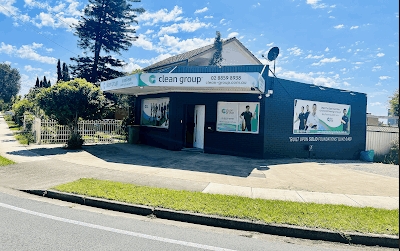
Additionally, with the continued advancement of technology, the future of commercial cleaning looks promising. The use of artificial intelligence (AI), robotics, and automated systems is expected to become more prevalent in the industry. AI-driven tools can optimize cleaning schedules by predicting peak times for activity, while robots can perform tasks such as floor cleaning or window washing with minimal human intervention. These innovations not only enhance efficiency but also improve the precision and consistency of cleaning services. Clean Group provides comprehensive and professional Clean Group A Trusted ISO Certified Company across Sydney, NSW. Our fully insured, trained, and security-verified cleaners ensure your workplace stays spotless and hygienic. Schedule a free onsite quote today—book online or call us at 02 9160 7469. Get your obligation-free commercial cleaning estimate for offices, buildings, and other business spaces in Sydney.. Moreover, the integration of smart devices, such as sensors that monitor air quality and cleanliness levels in real time, allows cleaning companies to offer even more precise and customized services to their clients.
Technology continues to revolutionize the cleaning landscape. Artificial intelligence, robotics, and smart systems are increasingly used to streamline operations. Autonomous robots now clean large floor spaces or windows with minimal oversight, while AI tools optimize cleaning schedules based on usage patterns and real-time data. Sensors embedded in facilities can monitor cleanliness levels, enabling predictive cleaning and more customized services. These innovations improve efficiency, reduce labor costs, and deliver a higher level of precision and consistency.
The industry's ongoing evolution reflects a broader emphasis on hygiene in the wake of global health crises like COVID-19. Many businesses now prioritize frequent disinfection of high-touch surfaces and the use of hospital-grade cleaners. Commercial cleaning companies have adapted by increasing service frequency, introducing deep-cleaning options, and enhancing disinfection protocols. These measures are no longer temporary responses but permanent features of workplace maintenance in many sectors.
The cleaning industry is also becoming more aware of the importance of employee training and well-being. As the nature of cleaning work evolves, so too does the need for workers to be equipped with the knowledge and skills to handle the latest technologies and materials. Many cleaning companies now offer specialized training programs to ensure that their employees are well-versed in the safest and most effective cleaning methods. These programs not only improve the quality of the cleaning services provided but also ensure the safety and well-being of the workers. This focus on worker welfare is also reflected in the growing attention to ergonomics in cleaning equipment, which helps to reduce the risk of injuries caused by repetitive motions or the use of heavy equipment.
Over 20 Years of Experience – Clean Group brings decades of proven expertise in the commercial cleaning industry.
Family-Owned & Trusted – A reputable, family-run business trusted by major Australian brands.
Eco-Friendly Cleaning – Specializes in using non-toxic, environmentally friendly cleaning products.
ISO Certified – One of the few Sydney cleaning companies accredited for quality and environmental safety standards.
High Customer Ratings – Consistently rated between 4.7 to 5.0 stars by satisfied clients.
Extensive Service Range – Offers cleaning for offices, warehouses, gyms, medical facilities, childcare centers, and more.
Fully Insured and Verified Cleaners – All cleaners are insured, background-checked, and professionally trained.
Free Onsite Quotes – Businesses can book a free, no-obligation quote online or via phone.
Available in Over 600 Suburbs – Services cover the entire Greater Sydney Area, including CBD and suburbs.
Quick Booking Process – Clients can schedule a service in less than 60 seconds.
Tailored Cleaning Plans – Custom cleaning strategies created based on client needs, space type, and budget.
Flexible Contracts – Pay-as-you-go options available without being locked into long-term agreements.
Advanced Equipment – Uses modern tools and state-of-the-art technology for fast, efficient cleaning.
Reliable Office Cleaning – Maintains clean, professional workspaces that enhance employee safety and client impressions.
Thorough Warehouse Cleaning – Handles cleaning for large and small warehouse facilities.
Specialized Medical Cleaning – Provides expert cleaning and disinfection for medical clinics, hospitals, and pharmacies.
Gym & Childcare Cleaning – Ensures hygienic environments using non-toxic methods for sensitive areas.
24/7 Customer Support – Always-available helpline to address service inquiries or issues promptly.
100% Satisfaction Guarantee – Offers a service guarantee—if you’re not happy, they’ll fix it for free.
All-Inclusive Services – From COVID deep cleaning to end-of-lease, window, carpet, strata, and after-builders cleaning, Clean Group covers it all.
The rise of automated and robotic cleaning systems is another noteworthy development in the cleaning industry. Automated floor scrubbers, robotic vacuum cleaners, and even autonomous window washers are becoming commonplace in both commercial and residential settings. These devices not only improve efficiency by cleaning larger areas faster but also reduce human labor costs and the risk of injury associated with physically demanding cleaning tasks. With advancements in artificial intelligence (AI), these machines are becoming smarter and more intuitive, able to adapt to different cleaning environments and learn the most effective cleaning methods through data analysis. In warehouses and large facilities, for instance, robots can navigate around obstacles and schedule cleaning sessions during off-hours to avoid disruptions, ensuring that the workplace remains clean without human intervention.
Similarly, the rise of the Internet of Things (IoT) has influenced the cleaning industry by introducing smart cleaning devices that can communicate with other systems and networks. For instance, smart toilets in public restrooms can alert maintenance staff when cleaning is required, reducing the time spent on inspections and ensuring a cleaner, more hygienic environment. Similarly, automated cleaning tools like robotic vacuums can be programmed to follow predetermined cleaning paths and communicate with building management systems to coordinate their operations. By integrating cleaning processes with smart technology, the industry is improving overall efficiency and creating more sustainable, cost-effective solutions.
Effective Tips for Keeping Restrooms Clean in High-Traffic Offices

Moreover, hybrid and flexible workplaces are influencing how and when cleaning services are delivered. As more businesses adopt hybrid work models, cleaning companies must adjust their schedules and service frequencies accordingly. This requires a more dynamic approach to service delivery-one that's based on usage rather than fixed routines. On-demand cleaning and subscription-based models are becoming more popular, allowing clients to scale services up or down based on occupancy and need.
In response to evolving client needs, commercial cleaning companies are increasingly offering customized and flexible service models. Businesses may now request cleaning services during off-hours to avoid operational disruptions or opt for packages that include deep cleaning, disinfection, or emergency response. The ability to customize both the timing and scope of cleaning services is a major factor in a company's ability to meet diverse industry requirements and maintain long-term client satisfaction.
Overall, commercial cleaning is a vital service that supports public health, workplace efficiency, and the professional image of businesses. As environmental concerns and health risks gain more visibility, the industry continues to evolve, placing greater emphasis on safety, sustainability, and professional standards.
The role of cleaning in maintaining public health has never been more evident, especially in the wake of global health crises like the COVID-19 pandemic. Cleaning and disinfecting surfaces, particularly in high-traffic areas, have become a top priority for businesses, healthcare facilities, and public institutions. The pandemic has heightened awareness about the importance of hygiene and the need for rigorous cleaning practices to prevent the spread of viruses. As a result, businesses across industries are now implementing more frequent cleaning schedules, using stronger disinfectants, and investing in better equipment to ensure a safer environment for employees, customers, and patients.

In educational institutions, cleaning plays a critical role in reducing absenteeism and supporting the health of students and staff. From preschools to universities, commercial cleaners are responsible for maintaining classrooms, restrooms, cafeterias, gyms, libraries, and dormitories to the highest standard. Daily disinfection routines, periodic deep cleaning, and attention to high-touch surfaces like desks, doorknobs, and computer labs are essential in these environments. The presence of cleaning professionals also instills a culture of hygiene awareness among students, which is particularly important during flu seasons or outbreaks of infectious diseases.
Health and safety regulations remain a cornerstone of the commercial cleaning industry. Workers are trained to recognize and mitigate hazards such as wet floors, chemical exposure, and the lifting of heavy equipment. Protective gear such as gloves, masks, and non-slip footwear is standard for most commercial cleaning roles. There are also clear protocols in place for the safe handling and storage of cleaning chemicals to prevent accidents and comply with occupational health guidelines. With the heightened awareness following the COVID-19 pandemic, disinfection routines have become more rigorous, and demand for specialized cleaning, such as electrostatic spraying and antimicrobial surface treatments, has surged.
Moreover, customer satisfaction is a key driving force in the commercial cleaning industry. The rise of online reviews, customer feedback platforms, and social media means that businesses must continuously uphold high service standards. Cleaning companies that provide clear communication, prompt responses, and exceptional service are more likely to maintain long-term client relationships and attract new business. Transparency in pricing, service offerings, and work schedules fosters trust and encourages clients to view their cleaning provider as a valuable partner rather than just a vendor.
Technological innovations have led to the development of automated cleaning systems, such as robotic vacuums and self-cleaning devices. These devices are designed to make cleaning tasks easier and more efficient, reducing manual labor and improving overall cleanliness. In addition, cleanrooms-specialized environments used for manufacturing or research-require strict cleanliness standards to minimize the presence of contaminants. Automated cleaning solutions are increasingly being integrated into various industries, improving operational efficiency and maintaining high standards of cleanliness without the need for extensive human intervention.

Clean Group handles a variety of properties including offices, warehouses, retail stores, malls, hospitals, childcare centres, and more.
With over 20 years in the industry, Clean Group employs a team of more than 50 highly skilled professionals.
These services can be handled by third-party commercial cleaning companies or by in-house janitorial teams, depending on the business’s preference and needs.