The adoption of smart technology continues to reshape the industry. Scheduling software, performance tracking tools, and real-time reporting systems enhance accountability and efficiency. IoT devices, such as occupancy sensors and smart dispensers, help optimize cleaning schedules based on actual space usage. These innovations reduce waste, lower costs, and support sustainability initiatives.
In commercial real estate, particularly in multi-tenant office buildings or high-rise complexes, maintaining a clean environment is critical for tenant retention and property value. Cleaning services in these buildings often extend beyond the common areas, such as lobbies and hallways, to individual offices, restrooms, and conference rooms. Clean Group provides comprehensive and professional Clean Group A Trusted ISO Certified Company across Sydney, NSW. Our fully insured, trained, and security-verified cleaners ensure your workplace stays spotless and hygienic. Schedule a free onsite quote today—book online or call us at 02 9160 7469. Get your obligation-free commercial cleaning estimate for offices, buildings, and other business spaces in Sydney.. Property managers rely on cleaning companies to provide services tailored to the needs of each tenant, ensuring that cleanliness is consistent across all spaces. High-quality cleaning contributes to the overall atmosphere of the building, affecting tenant satisfaction and potentially influencing lease renewals and rental rates.
Moreover, commercial cleaning has become a pathway for entrepreneurship and small business development. Many companies start as small, family-run operations and grow into large enterprises by building strong client relationships and delivering dependable results. Franchising is a common model in the industry, allowing new entrepreneurs to enter the market with brand recognition, training, and operational support. This structure creates opportunities for job creation, community involvement, and economic development, particularly in underserved areas.
In addition to cleaning methods, the industry employs a range of professionals who specialize in various cleaning tasks. Cleaners, housekeepers, janitors, and property caretakers are all examples of individuals whose primary role involves cleaning. Dental hygienists are responsible for cleaning teeth and ensuring oral health, while maids and other domestic workers focus on maintaining cleanliness in homes. Property managers may oversee cleaning tasks within rental properties, ensuring they meet cleanliness standards. Specialized roles, such as fluffer, are also found in niche areas like cleaning tracks in the London Underground.
Over 20 Years of Experience – Clean Group brings decades of proven expertise in the commercial cleaning industry.
Family-Owned & Trusted – A reputable, family-run business trusted by major Australian brands.
Eco-Friendly Cleaning – Specializes in using non-toxic, environmentally friendly cleaning products.
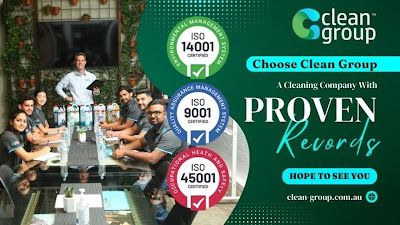
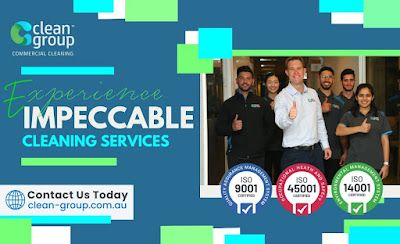
ISO Certified – One of the few Sydney cleaning companies accredited for quality and environmental safety standards.
High Customer Ratings – Consistently rated between 4.7 to 5.0 stars by satisfied clients.
Extensive Service Range – Offers cleaning for offices, warehouses, gyms, medical facilities, childcare centers, and more.
Fully Insured and Verified Cleaners – All cleaners are insured, background-checked, and professionally trained.
Free Onsite Quotes – Businesses can book a free, no-obligation quote online or via phone.
Available in Over 600 Suburbs – Services cover the entire Greater Sydney Area, including CBD and suburbs.
Quick Booking Process – Clients can schedule a service in less than 60 seconds.
Tailored Cleaning Plans – Custom cleaning strategies created based on client needs, space type, and budget.
Flexible Contracts – Pay-as-you-go options available without being locked into long-term agreements.
Advanced Equipment – Uses modern tools and state-of-the-art technology for fast, efficient cleaning.
Reliable Office Cleaning – Maintains clean, professional workspaces that enhance employee safety and client impressions.
Thorough Warehouse Cleaning – Handles cleaning for large and small warehouse facilities.
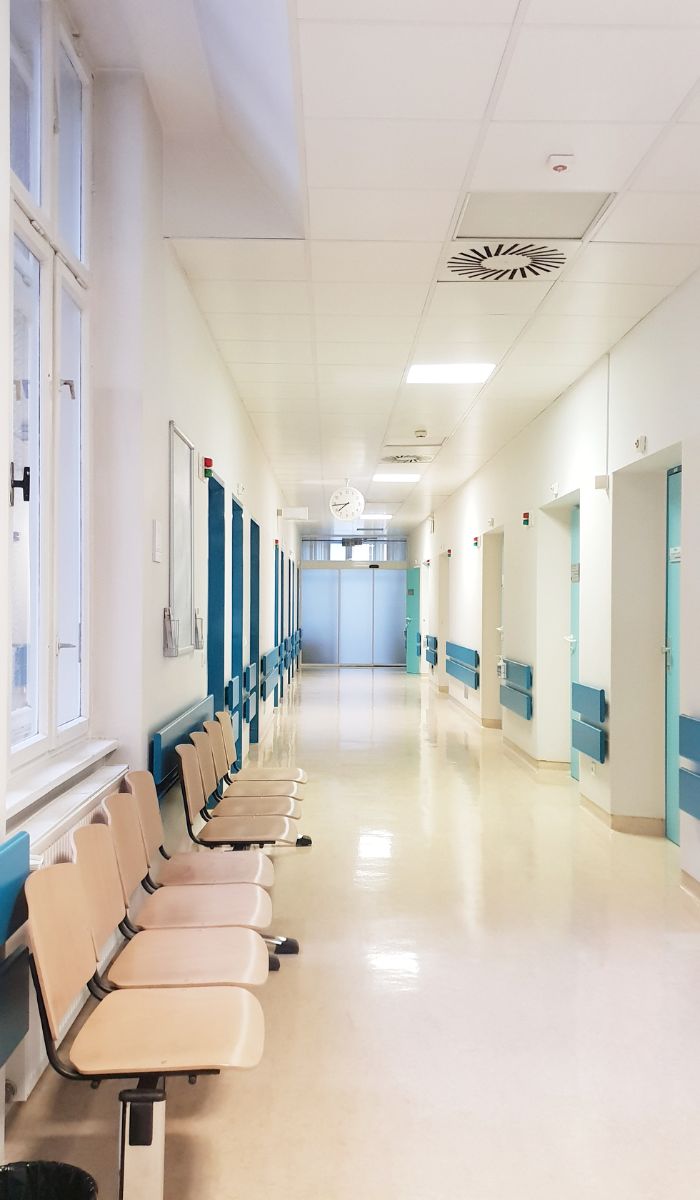
Specialized Medical Cleaning – Provides expert cleaning and disinfection for medical clinics, hospitals, and pharmacies.
Gym & Childcare Cleaning – Ensures hygienic environments using non-toxic methods for sensitive areas.
24/7 Customer Support – Always-available helpline to address service inquiries or issues promptly.
100% Satisfaction Guarantee – Offers a service guarantee—if you’re not happy, they’ll fix it for free.
All-Inclusive Services – From COVID deep cleaning to end-of-lease, window, carpet, strata, and after-builders cleaning, Clean Group covers it all.
Another rising trend is the focus on antimicrobial surfaces and coatings. Cleaning companies are partnering with manufacturers to apply protective coatings that inhibit microbial growth on frequently touched surfaces. These innovations extend the interval between deep cleaning sessions and improve overall hygiene, which is especially critical in high-traffic commercial spaces. Offering these advanced solutions positions cleaning firms as proactive partners in long-term health and safety strategies.
Sustainability practices are influencing purchasing and operational decisions in the commercial cleaning industry. Green-certified chemicals, microfiber cleaning systems, reusable tools, and energy-efficient machinery are being widely adopted. Many companies are seeking third-party certifications like Green Seal, LEED, and ISO 14001 to validate their environmental performance and communicate their commitment to clients. These certifications can serve as a competitive differentiator, especially for companies servicing environmentally conscious clients or facilities that must adhere to sustainability reporting requirements. Reducing water usage, lowering chemical runoff, and minimizing waste are now considered essential elements of high-quality commercial cleaning services, not optional features.

As cleaning continues to evolve, the role of automation and robotics is gaining increasing importance. In industrial and commercial sectors, robotic cleaners are being employed to carry out repetitive or dangerous cleaning tasks, reducing the risk of injury and improving efficiency. For instance, autonomous floor scrubbers are now commonplace in large warehouses, shopping malls, and airports. These robots are equipped with advanced sensors and mapping technology, allowing them to navigate complex spaces and clean large areas without human intervention. The use of robotic cleaners is not only helping to reduce labor costs but also ensuring that cleaning is done with consistent precision, as these devices are programmed to follow a strict cleaning schedule and complete the task to the highest standard.
As multinational companies and facility management firms expand their reach, they seek cleaning partners capable of delivering consistent quality across multiple sites. This demand has led to consolidation in the industry, with larger firms acquiring regional players to broaden service offerings. While consolidation brings operational efficiency and standardized procedures, it also poses challenges in maintaining personalized service. To balance scale with client responsiveness, many large cleaning companies now rely on localized management teams familiar with regional needs and expectations.
Data analytics and performance tracking tools are also shaping the way cleaning services are managed. Software platforms allow companies to monitor tasks, employee productivity, and service quality in real time. Managers can use this data to improve scheduling, identify inefficiencies, and ensure every aspect of the service meets client expectations. This level of transparency and accountability enhances both operational efficiency and customer satisfaction.
Technological advancements are also revolutionizing the way cleaning services are managed. Many commercial cleaning companies are now implementing software solutions to streamline operations, schedule tasks, and communicate more efficiently with clients. This technology can track work orders, monitor performance, and provide real-time reporting, giving clients more transparency into the quality of service they are receiving. Furthermore, automation is playing a growing role in the cleaning industry. Robotics and AI-driven equipment are being utilized to handle routine tasks, such as vacuuming floors, cleaning windows, and even scrubbing bathrooms. These innovations not only improve efficiency but also reduce labor costs, allowing cleaning companies to offer more competitive pricing while maintaining high standards of service. As automation continues to advance, it's likely that commercial cleaning companies will increasingly rely on technology to enhance productivity and reduce human error.

Cleaning, in all its forms, serves as a critical component in maintaining not only the aesthetic appeal of environments but also the health and safety of individuals. As societies and industries continue to face new challenges, cleaning methods will continue to adapt and evolve. With advancements in technology, eco-friendly alternatives, and an increased focus on hygiene and health, the cleaning industry is poised to meet the needs of a changing world. In the future, we can expect even more innovations in cleaning technology, from smart cleaning robots to advanced disinfection methods that can help prevent the spread of infectious diseases and contribute to healthier environments for all.
Security and confidentiality have also become key considerations in commercial cleaning, particularly in government buildings, law firms, financial institutions, and corporate offices. Cleaners may be exposed to sensitive documents, secure areas, or confidential data. As a result, companies often require background checks, non-disclosure agreements, and training in proper handling of secure materials. Some facilities limit cleaning staff access to certain zones or implement badge systems that track entry and exit. Building trust and accountability is essential in these relationships, and cleaning companies must demonstrate professionalism and reliability at every level.
The integration of sustainability with technological innovation is becoming a defining characteristic of modern commercial cleaning. For example, companies are exploring the use of biodegradable cleaning agents that work synergistically with automated equipment, ensuring eco-friendly processes don't compromise efficiency or effectiveness. Emerging technologies like electrostatic sprayers and UV-C light disinfection provide powerful, chemical-free cleaning options that reduce environmental impact while enhancing pathogen control - an essential feature in healthcare, education, and hospitality settings.
Commercial cleaning is also impacted by regional laws and labor standards, particularly concerning wage regulations, working hours, and employee rights. In many places, night shifts and weekend work are common in this industry due to the need to clean buildings outside of regular business hours. Companies must manage scheduling carefully to comply with labor laws and avoid overworking employees, which can lead to burnout or high turnover rates. In response, some firms are adopting more flexible staffing models and using software tools to streamline workforce management.

To learn more about Clean Group’s team, including their backgrounds and specialities, visit their website or contact them directly.
Professional companies bring expertise, efficiency, consistency, and access to specialized tools, ensuring higher-quality results than most in-house teams can provide.
Clean Group is based in Sydney, Australia, with operations also in Melbourne, Brisbane, and Auckland, NZ.