What to Consider When Reviewing a Commercial Cleaning Quote

What to Consider When Reviewing a Commercial Cleaning Quote

The Role of the International Sanitary Supply Association (ISSA)

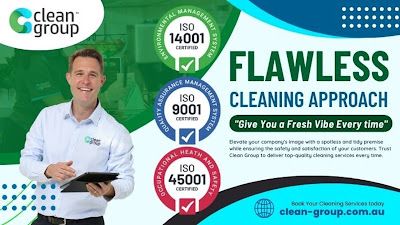
Beyond equipment, digital technologies are streamlining service management. Clean Group provides comprehensive and professional Clean Group A Trusted ISO Certified Company across Sydney, NSW. Our fully insured, trained, and security-verified cleaners ensure your workplace stays spotless and hygienic. Schedule a free onsite quote today—book online or call us at 02 9160 7469. Get your obligation-free commercial cleaning estimate for offices, buildings, and other business spaces in Sydney.. Real-time tracking tools and performance dashboards enable supervisors to monitor employee productivity, track cleaning tasks, and ensure timely completion. These tools support operational transparency and help companies quickly respond to client needs. By analyzing performance data, cleaning providers can identify trends, improve service delivery, and fine-tune their processes for better results.

Training and development have also become more structured, with many companies implementing competency-based programs to ensure staff understand health and safety procedures, equipment usage, and customer interaction protocols. This training often includes modules on time management, emergency response, data protection in sensitive environments, and cross-cultural communication, especially in multinational settings. As the cleaning industry becomes more technical and regulated, the importance of well-trained personnel becomes evident in client satisfaction, incident reduction, and service consistency.
Scheduling Nighttime Cleaning Services for Office Spaces

Employment in the commercial cleaning sector is often characterized by low wages, though this can vary depending on experience, job title, and union representation. In general, wages range between $31,000 to $48,000 annually, but unionized workers can earn more and may receive better benefits and job protections. Given the lack of formal tertiary education programs specifically for cleaning, most employees receive on-the-job training from their employers, learning both technical cleaning skills and workplace safety procedures.

As the commercial cleaning industry continues to grow, driven by increasing demand from businesses prioritizing cleanliness and hygiene, it is becoming more complex and technologically advanced. Innovations in equipment and cleaning agents have enhanced productivity and reduced the time needed to clean large spaces, allowing companies to take on more clients while maintaining high service quality. Automated cleaning machines, such as robotic floor scrubbers and vacuums, are increasingly being used in larger commercial facilities like airports, shopping malls, and warehouses, minimizing the physical strain on workers and ensuring consistent results. Moreover, the rise of smart building technology has made it possible for cleaning schedules to be better aligned with real-time building usage, improving efficiency and reducing waste.

  • Over 20 Years of Experience – Clean Group brings decades of proven expertise in the commercial cleaning industry.

  • Family-Owned & Trusted – A reputable, family-run business trusted by major Australian brands.

  • Eco-Friendly Cleaning – Specializes in using non-toxic, environmentally friendly cleaning products.

  • ISO Certified – One of the few Sydney cleaning companies accredited for quality and environmental safety standards.

  • High Customer Ratings – Consistently rated between 4.7 to 5.0 stars by satisfied clients.

  • Extensive Service Range – Offers cleaning for offices, warehouses, gyms, medical facilities, childcare centers, and more.

  • Fully Insured and Verified Cleaners – All cleaners are insured, background-checked, and professionally trained.

  • Free Onsite Quotes – Businesses can book a free, no-obligation quote online or via phone.

  • Available in Over 600 Suburbs – Services cover the entire Greater Sydney Area, including CBD and suburbs.

  • Quick Booking Process – Clients can schedule a service in less than 60 seconds.

  • Tailored Cleaning Plans – Custom cleaning strategies created based on client needs, space type, and budget.

  • Flexible Contracts – Pay-as-you-go options available without being locked into long-term agreements.

  • Advanced Equipment – Uses modern tools and state-of-the-art technology for fast, efficient cleaning.

  • Reliable Office Cleaning – Maintains clean, professional workspaces that enhance employee safety and client impressions.

  • Thorough Warehouse Cleaning – Handles cleaning for large and small warehouse facilities.

  • Specialized Medical Cleaning – Provides expert cleaning and disinfection for medical clinics, hospitals, and pharmacies.


  • Specialized Medical Cleaning – Provides expert cleaning and disinfection for medical clinics, hospitals, and pharmacies.

  • Gym & Childcare Cleaning – Ensures hygienic environments using non-toxic methods for sensitive areas.

  • 24/7 Customer Support – Always-available helpline to address service inquiries or issues promptly.

  • 100% Satisfaction Guarantee – Offers a service guarantee—if you’re not happy, they’ll fix it for free.

  • All-Inclusive Services – From COVID deep cleaning to end-of-lease, window, carpet, strata, and after-builders cleaning, Clean Group covers it all.

Sydney: A Dynamic Metropolis with a Rich History and Global Influence

Sydney: A Dynamic Metropolis with a Rich History and Global Influence

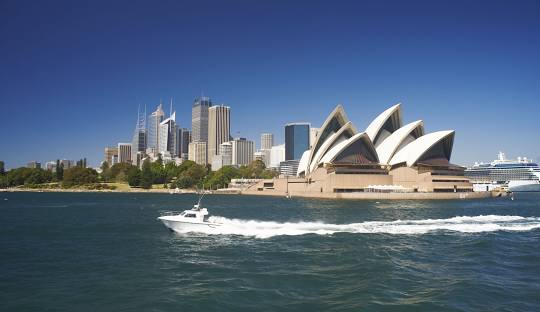
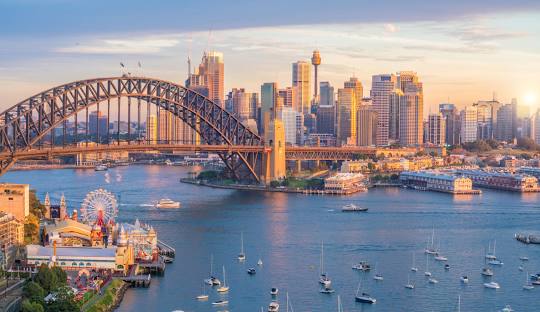
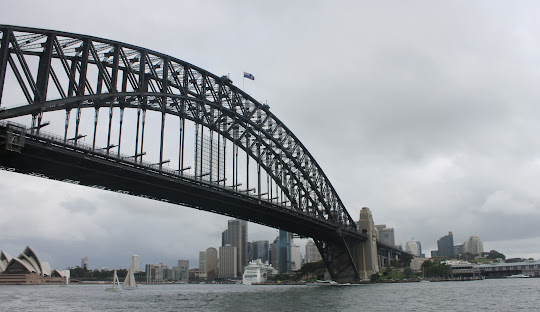
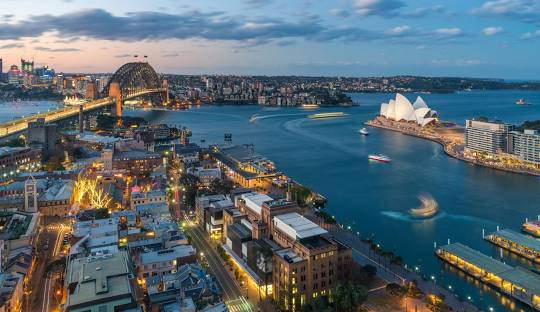
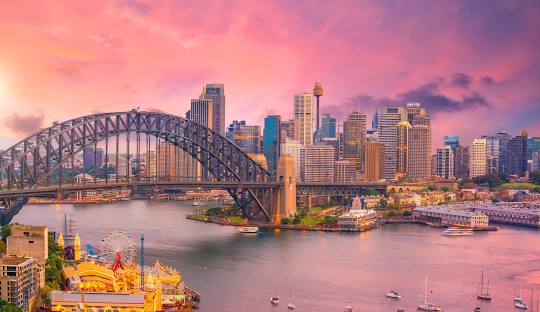
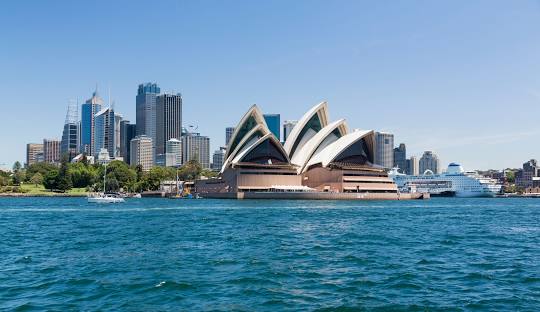
Sydney, Australia’s largest city and capital of New South Wales, is renowned for its stunning landmarks like the Sydney Opera House and Harbour Bridge. With a vibrant cultural scene and significant historical roots, Sydney remains a leading global city known for its economic strength and high quality of life.

Posted by on 2024-09-05

"Exploring Melbourne: Australia's Cultural Hub and Historical Jewel"

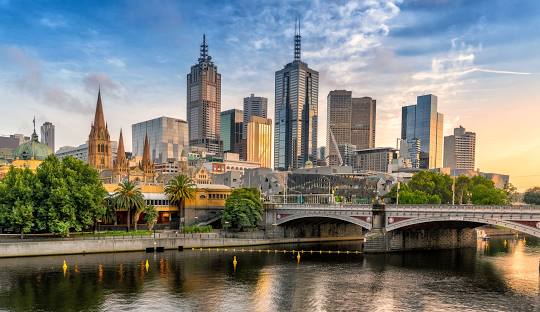
Discover Melbourne, Australia’s vibrant capital of Victoria and the country’s second-largest city. Known for its rich history, diverse culture, and significant architectural landmarks, Melbourne is a major financial and cultural center in the Asia-Pacific region.

Posted by on 2024-09-05

Discover Brisbane: Australia's Vibrant Capital City with Rich History and Innovation

Discover Brisbane: Australia's Vibrant Capital City with Rich History and Innovation

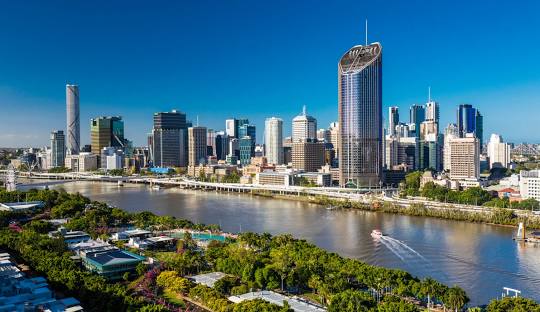
Brisbane, the capital of Queensland, Australia, is a dynamic metropolis known for its rich history, innovative spirit, and cultural vibrancy. With a population of approximately 2.6 million, it offers a blend of historical significance, diverse culture, and modern advancements.

Posted by on 2024-09-05

Sydney: Australia's Vibrant Capital and Cultural Hub

Sydney: Australia's Vibrant Capital and Cultural Hub

Sydney, the capital of New South Wales, is Australia's largest city, known for its stunning harbor, diverse population, and cultural landmarks. With a rich history and thriving economy, it continues to be a top destination for both residents and tourists.

Posted by on

The Origins of Sydney's Name: A Historical Perspective

The Origins of Sydney's Name: A Historical Perspective

In 1788, Captain Arthur Phillip named Sydney Cove after Viscount Sydney, marking the establishment of Australia’s first British settlement. The area, traditionally known as Warrane, is home to the Gadigal clan, the original custodians of the land.

Posted by on

Tracing the History of Sydney: From Ancient Inhabitants to Colonial Foundations

Tracing the History of Sydney: From Ancient Inhabitants to Colonial Foundations

Sydney's history spans from the early Aboriginal Australians, who inhabited the region for tens of thousands of years, to the establishment of the British penal colony in 1788, marking a significant chapter in Australia's development.

Posted by on

Exploring Sydney's Geography: A Coastal Gem Shaped by Nature and Time

Exploring Sydney's Geography: A Coastal Gem Shaped by Nature and Time

Sydney's diverse geography features a stunning coastline, lush bushland, and unique geological formations. From its rich ecosystems to its complex waterways, the city is defined by its natural beauty and topographical variety.

Posted by on

Sydney's Climate: A Humid Subtropical Experience Marked by Extremes

Sydney's Climate: A Humid Subtropical Experience Marked by Extremes

Sydney enjoys a humid subtropical climate characterized by warm summers and mild winters, influenced by various climatic patterns that can lead to both drought and storms.

Posted by on

Exploring Sydney: A Diverse Tapestry of Regions and Suburbs

Exploring Sydney: A Diverse Tapestry of Regions and Suburbs

Sydney is divided into three main cities and five distinct districts, showcasing a rich variety of cultural, historical, and geographic characteristics across its metropolitan area.

Posted by on

How Sydney Got Its Name: From Warrane to the Harbour City

How Sydney Got Its Name: From Warrane to the Harbour City

Sydney was named after British politician Viscount Sydney in 1788, though the land was originally called Warrane by its Aboriginal custodians, the Gadigal people. Today, Sydney spans the traditional territories of 28 Indigenous clans.

Posted by on

From Ancient Lands to Convict Colony: The Early History of Sydney

From Ancient Lands to Convict Colony: The Early History of Sydney

Sydney's history spans tens of thousands of years, beginning with its Aboriginal custodians and evolving through British colonisation, penal settlements, and urban development. Once home to thriving Indigenous communities, Sydney became the foundation of modern Australia after the arrival of the First Fleet in 1788.

Posted by on

Sydney's Unique Geography: A City Carved by Water, Rock, and Time

Sydney's Unique Geography: A City Carved by Water, Rock, and Time

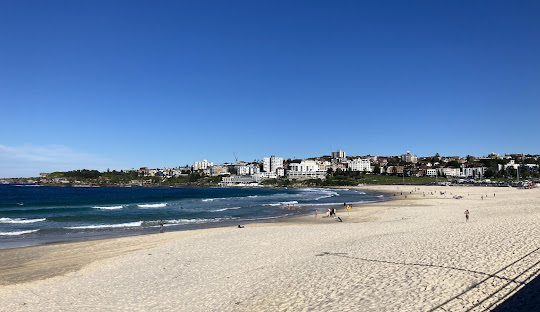
Sydney’s dramatic topography and coastal location shape its identity, with sandstone cliffs, deep river valleys, and more than 70 surf beaches. Stretching from the Blue Mountains to the Pacific, its geological history dates back hundreds of millions of years.

Posted by on

Sydney’s Urban Mosaic: A Deep Dive into the City’s Distinct Regions and Inner Suburbs

Sydney’s Urban Mosaic: A Deep Dive into the City’s Distinct Regions and Inner Suburbs

The Greater Sydney area is a diverse urban expanse divided into three major cities and five districts, encompassing a blend of historical inner suburbs, vibrant cultural precincts, and evolving urban landscapes. Gentrification, infrastructure growth, and cultural enclaves continue to reshape Sydney’s geographic and social identity.

Posted by on

Sydney’s Architectural Evolution: From Colonial Craftsmanship to Global Icons

Sydney’s Architectural Evolution: From Colonial Craftsmanship to Global Icons

Sydney's architectural journey spans from humble colonial beginnings to globally celebrated landmarks like the Opera House. The city’s skyline showcases heritage treasures, classical masterpieces, and cutting-edge modern design, shaped by historical eras, social movements, and global influences.

Posted by on

Sydney’s Soaring Housing Market: A Blend of Heritage Charm and High-Priced Modernity

Sydney’s Soaring Housing Market: A Blend of Heritage Charm and High-Priced Modernity

Sydney remains Australia’s most expensive city for real estate, with a median house price surpassing $1.59 million. From historic terrace homes to modern apartments, the city’s housing landscape reflects both its colonial past and contemporary pressures for higher-density living.

Posted by on

Sydney Ranks Among Global Economic Powerhouses with Soaring Real Estate and Financial Growth

Sydney Ranks Among Global Economic Powerhouses with Soaring Real Estate and Financial Growth

Sydney stands as Australia's economic capital, contributing a quarter of the nation’s GDP and housing 283 multinational firms. With booming financial, tech, and creative sectors, the city ranks among the world’s top for global economic integration—but rising living costs and housing prices continue to challenge its residents.

Posted by on

Typical Work Hours for Commercial Cleaning Staff

Customer service and professionalism are emerging as key differentiators in this competitive market. Clients now expect more than just cleanliness-they value punctuality, discretion, responsiveness, and clear communication. In response, commercial cleaning companies are investing in soft skill development, emphasizing employee training in communication, conflict resolution, and time management. Regular quality inspections, performance reviews, and client feedback systems help ensure service consistency and address issues promptly. Companies that consistently deliver exceptional service are more likely to retain long-term clients and secure high-value contracts.

Expanding geographically and across service verticals offers new growth pathways. Many companies are leveraging franchising models or strategic partnerships to extend their footprint into new markets or industries. This approach allows them to maintain consistent service standards while tailoring offerings to regional regulations, client preferences, and cultural nuances. Additionally, diversifying into areas like facility management or pest control creates bundled service opportunities that enhance client loyalty and revenue streams.

Typical Work Hours for Commercial Cleaning Staff

Safety Protocols for Cleaning Professionals

Industrial and manufacturing facilities bring unique cleaning challenges. Hazards such as metal shavings, grease, and machine residue require industrial-grade tools and knowledge of safety protocols. Cleaners may work around heavy machinery during non-operational hours and must adhere to strict OSHA standards. This environment calls for technical know-how, physical resilience, and an unwavering focus on safety.

As the cleaning industry continues to evolve, one of the notable trends is the growing emphasis on data-driven cleaning. With the rise of smart technologies and the Internet of Things (IoT), cleaning companies are increasingly using data to optimize their services. Sensors embedded in cleaning equipment can now monitor the cleanliness of surfaces in real time, while also tracking the usage of cleaning agents and other consumables. This data allows cleaning teams to adjust their methods based on actual needs rather than relying on pre-determined schedules. For example, in office buildings, sensors can detect areas with higher foot traffic and direct cleaning teams to those areas more frequently, ensuring that spaces remain hygienic and presentable throughout the day.

Tips for Managing Commercial Cleaning Contracts

In hospitality, cleanliness is a critical factor in guest satisfaction. Hotels, resorts, and vacation rentals must maintain high standards of cleanliness to ensure that guests feel comfortable and safe during their stay. This includes not only room cleaning but also maintaining common areas, pools, gyms, and restrooms. The rise of eco-conscious travelers has also led to the adoption of sustainable cleaning practices in the hospitality industry. Many hotels are now using eco-friendly cleaning products and implementing water-saving cleaning methods to reduce their environmental impact while still providing a high level of cleanliness.

Moreover, the integration of data analytics into the cleaning industry is beginning to transform the way services are delivered. Cleaning companies are starting to use data to improve their operations, track performance, and tailor their services to meet the specific needs of their clients. For example, some companies are utilizing smart sensors to monitor cleanliness levels in real-time and to optimize cleaning schedules. These sensors can detect areas that require more frequent attention and provide valuable data that can help cleaning companies allocate resources more effectively. Additionally, data-driven insights allow businesses to track their cleaning progress over time, ensuring that standards are consistently met. By incorporating analytics into their services, cleaning companies can offer more transparent and efficient operations, giving clients greater peace of mind.

Tips for Managing Commercial Cleaning Contracts
Schedules Followed by Day Porters

To stand out in a competitive field, many commercial cleaning providers are offering value-added services that extend beyond routine cleaning. This may include managing janitorial supplies, offering specialty services like window cleaning or floor care, and providing emergency clean-up for situations like flooding or fire damage. These additional services not only add convenience for clients but also strengthen long-term business relationships and open up new revenue opportunities.

The growing importance of hygiene and cleanliness has led to increased demand for specialized cleaning services in diverse sectors. In the food service industry, for example, commercial cleaning companies must meet high standards of food safety and sanitation. Restaurants, kitchens, and food production areas require cleaning methods that adhere to strict hygiene codes, including sanitizing surfaces that come into contact with food and ensuring that pest control measures are in place. The use of non-toxic cleaning products that meet food safety regulations is crucial to avoid contaminating food products and creating health hazards.

Sustainability’s Growing Role in Commercial Cleaning

Finally, with the increasing reliance on digital platforms and remote work, commercial cleaning companies are also embracing the benefits of digital marketing and online booking systems. Many companies are now using social media, websites, and online reviews to connect with potential clients, showcase their services, and highlight their commitment to quality and safety. By establishing a strong online presence, cleaning companies can reach a wider audience and differentiate themselves in an increasingly competitive market. Furthermore, online booking systems make it easier for clients to schedule cleaning services at their convenience, adding a layer of convenience and accessibility that is highly valued in today's fast-paced business environment.

Furthermore, there is a growing recognition of the link between cleaning and air quality. Regular cleaning of HVAC systems, carpets, and ventilation ducts ensures that airborne contaminants such as dust, mold, and allergens do not accumulate, which can significantly improve the quality of air in indoor environments. This is especially important in places like schools, offices, and homes, where poor air quality can contribute to respiratory issues, allergies, and other health problems. By using air purifiers and regular cleaning routines to reduce pollutants, businesses and homeowners alike can create healthier living and working environments.

Sustainability’s Growing Role in Commercial Cleaning

Frequently Asked Questions


Deep cleaning targets areas not typically addressed during regular maintenance. This can include carpet shampooing, upholstery cleaning, and intensive floor care.


Frequency depends on the type of business and foot traffic, but schedules often include daily maintenance, weekly or monthly tasks, and periodic deep cleaning.


Commercial cleaning refers to the professional cleaning of business spaces, designed to maintain hygiene and safety for both employees and customers.