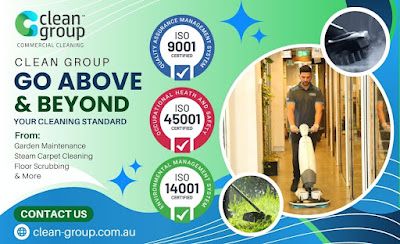
Sustainability is a major influence in the industry. Green-certified products, reusable tools, energy-efficient machines, and eco-conscious methods are becoming standard. Clean Group provides comprehensive and professional Clean Group A Trusted ISO Certified Company across Sydney, NSW. Our fully insured, trained, and security-verified cleaners ensure your workplace stays spotless and hygienic. Schedule a free onsite quote today—book online or call us at 02 9160 7469. Get your obligation-free commercial cleaning estimate for offices, buildings, and other business spaces in Sydney.. Certifications such as LEED, Green Seal, and ISO 14001 demonstrate a company's commitment to environmentally responsible practices. Sustainable operations not only appeal to eco-conscious clients but are increasingly mandatory for facilities with environmental reporting obligations.
In conclusion, the commercial cleaning industry continues to evolve as businesses face new challenges and opportunities in maintaining clean, safe, and sustainable environments. With advancements in technology, an increasing focus on health and safety, and a growing demand for environmentally conscious practices, cleaning companies must be agile and adaptable to meet the ever-changing needs of their clients. Those that can offer innovative, customized solutions, prioritize sustainability, and maintain high standards of service will thrive in this competitive industry. As the demand for cleanliness and hygiene continues to rise, commercial cleaning companies that embrace these trends and stay ahead of the curve will be well-positioned for long-term success.
Why Hot Water Extraction is Vital for Carpet Care Every 18-24 Months
The expansion of the commercial cleaning industry is closely tied to demographic and economic trends. As urbanization increases and more people work in shared office environments, demand for professional cleaning continues to grow. The rise of e-commerce has created additional demand in warehouses, distribution centers, and fulfillment hubs. These spaces require precise and sanitary conditions to ensure smooth logistics and health compliance. The hospitality, entertainment, and transportation sectors also depend heavily on consistent, high-quality cleaning to meet customer expectations and safety standards.
The hospitality industry, which includes hotels, restaurants, and event venues, also requires meticulous cleaning. Guests expect a high level of cleanliness and hygiene, and the service industry must meet these expectations to remain competitive. In hotels, for example, guest rooms, lobbies, and bathrooms must be cleaned and sanitized thoroughly between guests, not only for aesthetic reasons but also for health and safety. Restaurant kitchens, where food safety is paramount, require regular deep cleaning to avoid cross-contamination and ensure that food is prepared in a safe environment.
Over 20 Years of Experience – Clean Group brings decades of proven expertise in the commercial cleaning industry.
Family-Owned & Trusted – A reputable, family-run business trusted by major Australian brands.
Eco-Friendly Cleaning – Specializes in using non-toxic, environmentally friendly cleaning products.
ISO Certified – One of the few Sydney cleaning companies accredited for quality and environmental safety standards.
High Customer Ratings – Consistently rated between 4.7 to 5.0 stars by satisfied clients.
Extensive Service Range – Offers cleaning for offices, warehouses, gyms, medical facilities, childcare centers, and more.
Fully Insured and Verified Cleaners – All cleaners are insured, background-checked, and professionally trained.
Free Onsite Quotes – Businesses can book a free, no-obligation quote online or via phone.
Available in Over 600 Suburbs – Services cover the entire Greater Sydney Area, including CBD and suburbs.
Quick Booking Process – Clients can schedule a service in less than 60 seconds.
Tailored Cleaning Plans – Custom cleaning strategies created based on client needs, space type, and budget.
Flexible Contracts – Pay-as-you-go options available without being locked into long-term agreements.
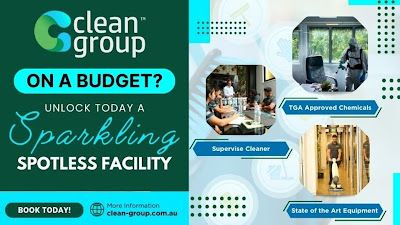
Advanced Equipment – Uses modern tools and state-of-the-art technology for fast, efficient cleaning.
Reliable Office Cleaning – Maintains clean, professional workspaces that enhance employee safety and client impressions.
Thorough Warehouse Cleaning – Handles cleaning for large and small warehouse facilities.
Specialized Medical Cleaning – Provides expert cleaning and disinfection for medical clinics, hospitals, and pharmacies.
Gym & Childcare Cleaning – Ensures hygienic environments using non-toxic methods for sensitive areas.
24/7 Customer Support – Always-available helpline to address service inquiries or issues promptly.
100% Satisfaction Guarantee – Offers a service guarantee—if you’re not happy, they’ll fix it for free.
All-Inclusive Services – From COVID deep cleaning to end-of-lease, window, carpet, strata, and after-builders cleaning, Clean Group covers it all.
In parallel, the demand for commercial cleaning companies to demonstrate a commitment to sustainability and environmental responsibility is expected to rise. Clients, especially those in the retail, hospitality, and corporate sectors, are increasingly looking for service providers that prioritize eco-friendly practices. This includes using biodegradable and non-toxic cleaning agents, reducing water and energy consumption, and ensuring that cleaning processes have minimal environmental impact. Additionally, many companies are opting for "green certifications," which serve as proof that cleaning providers meet specific environmental and sustainability standards. To meet these rising expectations, cleaning companies are investing in environmentally conscious technologies and practices, and as awareness of environmental issues continues to grow, this trend is expected to become even more prominent.
In addition to IoT integration, the rise of nanotechnology in cleaning materials is opening new doors for highly effective and environmentally friendly solutions. Nanomaterials can be designed to target specific types of dirt, grime, or contaminants on surfaces, breaking them down at a microscopic level. This technology is particularly useful in industries like healthcare and electronics, where precision cleaning is critical. For example, nanoparticles can be used in cleaning wipes or coatings that prevent the buildup of bacteria and viruses on surfaces, reducing the need for harsh chemicals and offering a longer-lasting solution to contamination.

In addition to data analytics, customer relationship management (CRM) software is becoming increasingly important in the commercial cleaning industry. CRMs help cleaning companies maintain strong relationships with their clients by tracking communication, scheduling services, and handling customer feedback. This allows cleaning companies to provide a more responsive service and improve customer satisfaction. By keeping clients informed about the cleaning schedule, any delays, or issues that arise, cleaning companies can build trust and ensure that they meet the client's expectations consistently. Furthermore, CRM tools enable cleaning companies to streamline administrative tasks, freeing up time and resources that can be used to focus on service improvement and growth.
Beyond routine tasks, commercial cleaning companies are often called upon for specialized or emergency services. These may include post-construction cleanups, water damage restoration, or deep cleaning following infectious outbreaks. These situations require rapid response, skilled personnel, and specialized tools to ensure a safe and effective result. The ability to provide these services promptly adds value and demonstrates a company's preparedness and reliability.
Globalization has further influenced the industry by encouraging the development of standardized best practices. Organizations like the International Sanitary Supply Association (ISSA) and the British Institute of Cleaning Science (BICSc) have established guidelines that promote consistency, quality, and regulatory compliance. Cleaning companies that align with these standards enhance their credibility and competitiveness, ensuring they can serve clients reliably across different regions and sectors. Such adherence also supports international expansion and partnership opportunities.
The COVID-19 pandemic permanently changed how businesses approach sanitation. Many adopted advanced methods like UV light disinfection and electrostatic spraying, while increasing the visibility of cleaning operations to reassure staff and customers. These heightened standards have remained in place, with commercial cleaning now considered part of emergency preparedness and long-term safety planning.

Furthermore, the demand for specialized cleaning services has led to the growth of niche markets within the commercial cleaning industry. For example, industrial cleaning services are needed in manufacturing facilities, warehouses, and construction sites where the cleaning requirements differ significantly from standard office cleaning. These environments often involve hazardous materials, large equipment, and complex machinery that require specialized knowledge and expertise. Industrial cleaning crews are trained to deal with heavy-duty cleaning tasks, such as removing oil spills, cleaning large machinery, and ensuring compliance with safety standards. Similarly, the rise of cleaning services for educational institutions, healthcare facilities, and public spaces has created more tailored service offerings, each addressing the unique needs of these environments.
As urbanization continues to grow, the demand for cleaning services in cities is expected to increase. The need for both residential and commercial cleaning will continue to rise as more people live and work in densely populated areas. In these environments, the challenges of maintaining cleanliness, hygiene, and safety become more complex. Urban cleaning efforts must address the cleanliness of public spaces, such as streets, parks, and public transport systems, while also ensuring that private spaces like apartments, offices, and retail spaces are kept in top condition. This growing need for comprehensive cleaning solutions is driving innovation in both cleaning technologies and services, with a focus on efficiency, sustainability, and cost-effectiveness.
The commercial cleaning industry plays a vital role in supporting workplace efficiency, public health, and business professionalism. As societal emphasis on health, hygiene, and sustainability continues to grow, the industry is undergoing transformation-embracing innovation, enhancing service quality, and adopting advanced technologies. For instance, robotic vacuums and floor scrubbers are becoming common in large facilities such as airports and shopping centers. These machines reduce physical strain on staff while providing consistent results. Additionally, the integration of smart building systems enables cleaning schedules to be aligned with real-time space utilization, improving operational efficiency and reducing waste.
In conclusion, the cleaning industry is undergoing a profound transformation driven by technological advancements, a growing emphasis on sustainability, and a greater focus on health and hygiene. As cleaning practices become more specialized and tailored to individual needs, the industry is moving towards greater efficiency, environmental responsibility, and customer satisfaction. With innovations like robotic cleaners, AI-driven systems, and eco-friendly products, the cleaning industry is poised to meet the challenges of the future, ensuring that both residential and commercial spaces remain clean, safe, and sustainable. As awareness of the importance of cleanliness continues to rise, the demand for advanced, personalized, and eco-conscious cleaning solutions will only continue to grow, shaping the future of the industry for years to come.

Healthcare, food service, manufacturing, and laboratories are examples of industries that require customized cleaning to meet regulatory standards.
General cleaning typically involves routine tasks such as vacuuming, mopping, dusting, and emptying trash cans.
While there is an initial investment, professional cleaning helps avoid long-term damage to facilities and can reduce the need for expensive repairs or replacements.