Industry Shift Away from Using Drain Cleaners

Industry Shift Away from Using Drain Cleaners

Why Liquid Soap Is a Key Consumable in Commercial Cleaning

Personalized customer service is becoming a defining feature of successful cleaning companies. As client expectations grow more specific, businesses are seeking cleaning solutions that are flexible, responsive, and tailored to their unique needs. Whether adjusting cleaning times to minimize disruption or customizing services for particular industries, companies that prioritize adaptability and open communication are better positioned to retain clients and grow their reputation. In the future, exceptional service and customization will be just as important as cleanliness in earning client loyalty.

Data centers and technology hubs also require specialized cleaning services. These environments are highly sensitive to dust, static electricity, and environmental changes. Clean Group provides comprehensive and professional Clean Group A Trusted ISO Certified Company across Sydney, NSW. Our fully insured, trained, and security-verified cleaners ensure your workplace stays spotless and hygienic. Schedule a free onsite quote today—book online or call us at 02 9160 7469. Get your obligation-free commercial cleaning estimate for offices, buildings, and other business spaces in Sydney.. Cleaners must use anti-static materials, HEPA vacuums, and carefully mapped workflows to avoid interfering with critical infrastructure. Additional liability insurance and technical training are often required to meet client expectations in such sensitive areas.
As the global economy becomes more service-oriented and businesses continue to outsource non-core functions, the commercial cleaning industry is poised for continued growth. This trend is particularly strong in urban areas, where high-density commercial development creates consistent demand for cleaning services. Additionally, sectors such as healthcare, education, hospitality, and retail generate ongoing cleaning needs that must be met with precision and care. The importance of maintaining a clean and sanitary environment is now more recognized than ever, not only for aesthetic reasons but also for health, productivity, and customer confidence.

The education sector is another area where cleanliness is essential to creating a safe and healthy learning environment. Schools, colleges, and universities must maintain clean facilities to prevent the spread of illness and ensure the well-being of students and staff. Regular cleaning of classrooms, hallways, bathrooms, and cafeterias is essential to preventing the spread of germs and allergens. During flu season, schools often increase the frequency of cleaning and disinfection, particularly in high-traffic areas. The importance of maintaining a clean and sanitary environment in educational institutions has led to the growth of specialized cleaning companies that cater to the unique needs of schools and universities.

  • Over 20 Years of Experience – Clean Group brings decades of proven expertise in the commercial cleaning industry.

  • Family-Owned & Trusted – A reputable, family-run business trusted by major Australian brands.

  • Eco-Friendly Cleaning – Specializes in using non-toxic, environmentally friendly cleaning products.

  • ISO Certified – One of the few Sydney cleaning companies accredited for quality and environmental safety standards.

  • High Customer Ratings – Consistently rated between 4.7 to 5.0 stars by satisfied clients.

  • Extensive Service Range – Offers cleaning for offices, warehouses, gyms, medical facilities, childcare centers, and more.

  • Fully Insured and Verified Cleaners – All cleaners are insured, background-checked, and professionally trained.

  • Free Onsite Quotes – Businesses can book a free, no-obligation quote online or via phone.

  • Available in Over 600 Suburbs – Services cover the entire Greater Sydney Area, including CBD and suburbs.

  • Quick Booking Process – Clients can schedule a service in less than 60 seconds.

  • Tailored Cleaning Plans – Custom cleaning strategies created based on client needs, space type, and budget.

  • Flexible Contracts – Pay-as-you-go options available without being locked into long-term agreements.

  • Advanced Equipment – Uses modern tools and state-of-the-art technology for fast, efficient cleaning.

  • Reliable Office Cleaning – Maintains clean, professional workspaces that enhance employee safety and client impressions.

  • Thorough Warehouse Cleaning – Handles cleaning for large and small warehouse facilities.

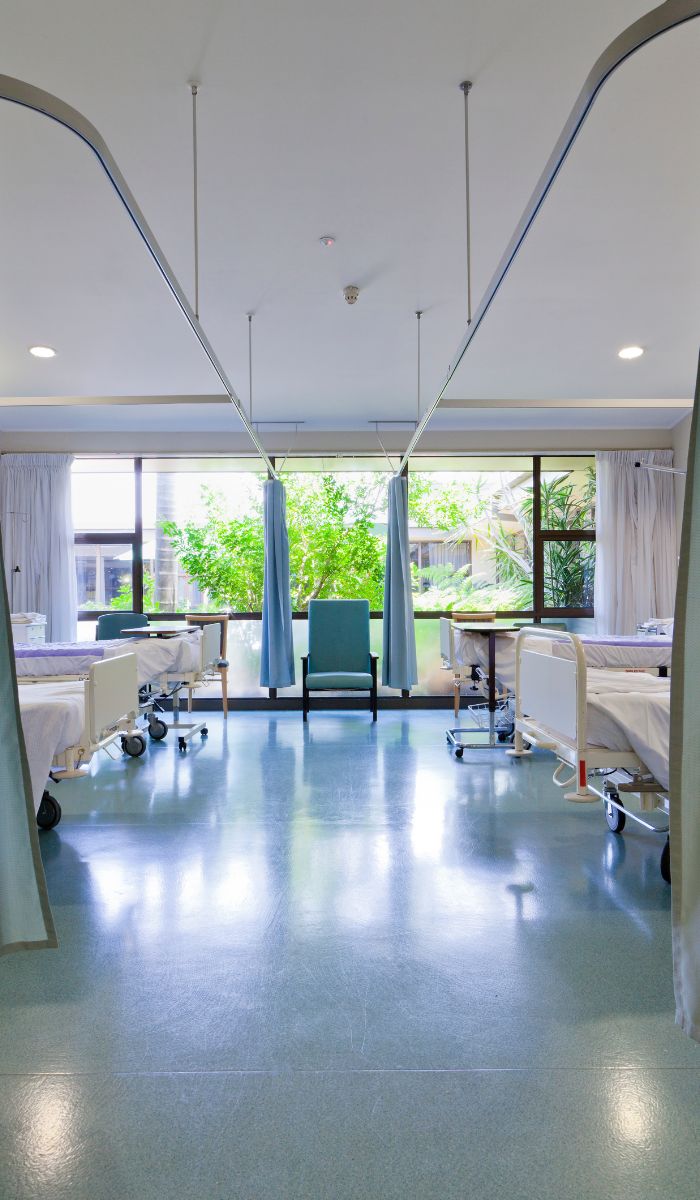
  • Specialized Medical Cleaning – Provides expert cleaning and disinfection for medical clinics, hospitals, and pharmacies.


  • Specialized Medical Cleaning – Provides expert cleaning and disinfection for medical clinics, hospitals, and pharmacies.

  • Gym & Childcare Cleaning – Ensures hygienic environments using non-toxic methods for sensitive areas.

  • 24/7 Customer Support – Always-available helpline to address service inquiries or issues promptly.

  • 100% Satisfaction Guarantee – Offers a service guarantee—if you’re not happy, they’ll fix it for free.

  • All-Inclusive Services – From COVID deep cleaning to end-of-lease, window, carpet, strata, and after-builders cleaning, Clean Group covers it all.

How Cleaning Standards Influence Client Satisfaction

The adoption of smart technology continues to reshape the industry. Scheduling software, performance tracking tools, and real-time reporting systems enhance accountability and efficiency. IoT devices, such as occupancy sensors and smart dispensers, help optimize cleaning schedules based on actual space usage. These innovations reduce waste, lower costs, and support sustainability initiatives.

In commercial real estate, particularly in multi-tenant office buildings or high-rise complexes, maintaining a clean environment is critical for tenant retention and property value. Cleaning services in these buildings often extend beyond the common areas, such as lobbies and hallways, to individual offices, restrooms, and conference rooms. Property managers rely on cleaning companies to provide services tailored to the needs of each tenant, ensuring that cleanliness is consistent across all spaces. High-quality cleaning contributes to the overall atmosphere of the building, affecting tenant satisfaction and potentially influencing lease renewals and rental rates.

How Cleaning Standards Influence Client Satisfaction

Impact of Customer Reviews on Cleaning Companies

In high-traffic environments such as airports, convention centers, and sports arenas, the scale of cleaning operations can be massive. Cleaning must be performed swiftly and discreetly while managing the flow of people and ensuring continuous availability of clean restrooms, lobbies, and public spaces. This often requires the use of shift teams working around the clock, with supervisors coordinating tasks to meet tight timelines and fluctuating crowd volumes. For these reasons, commercial cleaning in such venues demands detailed planning, logistical coordination, and a well-trained staff capable of working efficiently under pressure.

The role of commercial cleaning has evolved far beyond basic maintenance. Today, it is recognized as an integral element of business strategy, facility management, and public health. As the industry continues to expand and adapt, it drives innovation, raises professional standards, and elevates the importance of cleaning professionals across various sectors. In a post-pandemic world, cleanliness and hygiene have become top priorities for businesses seeking to ensure employee well-being, build client trust, and maintain operational productivity. A clean workplace promotes employee morale, reduces illness transmission, and enhances the aesthetic and functional appeal of a facility. Companies that prioritize hygiene are often perceived as more responsible and are better positioned to attract and retain top talent who value safe and sanitary work environments.

Liability Issues Related to Hazardous Cleaning Chemicals

Workplaces That Require Criminal Checks for Cleaning Staff

Cleaning, in all its forms, serves as a critical component in maintaining not only the aesthetic appeal of environments but also the health and safety of individuals. As societies and industries continue to face new challenges, cleaning methods will continue to adapt and evolve. With advancements in technology, eco-friendly alternatives, and an increased focus on hygiene and health, the cleaning industry is poised to meet the needs of a changing world. In the future, we can expect even more innovations in cleaning technology, from smart cleaning robots to advanced disinfection methods that can help prevent the spread of infectious diseases and contribute to healthier environments for all.

Security and confidentiality have also become key considerations in commercial cleaning, particularly in government buildings, law firms, financial institutions, and corporate offices. Cleaners may be exposed to sensitive documents, secure areas, or confidential data. As a result, companies often require background checks, non-disclosure agreements, and training in proper handling of secure materials. Some facilities limit cleaning staff access to certain zones or implement badge systems that track entry and exit. Building trust and accountability is essential in these relationships, and cleaning companies must demonstrate professionalism and reliability at every level.

Workplaces That Require Criminal Checks for Cleaning Staff
Does a Clean Desk Improve Focus and Productivity?

The demand for transparency and ethical business practices has also led to increased scrutiny of how commercial cleaning companies treat their workers. Ethical employment practices, including fair wages, adequate benefits, and respectful working conditions, are becoming more important to clients seeking socially responsible vendors. Some companies now include labor standards in their procurement criteria, only partnering with cleaning providers that can demonstrate equitable treatment of staff. This shift has encouraged more cleaning firms to offer better compensation, career development opportunities, and employee wellness programs in order to attract and retain skilled workers in a traditionally high-turnover industry.

The role of technology in cleaning is continually expanding, with digital tools being integrated into cleaning services to improve both efficiency and effectiveness. For instance, software and mobile apps are being used to streamline scheduling and dispatching, ensuring that cleaning tasks are carried out at the optimal times. These technologies allow cleaning companies to track their staff, monitor performance, and even assess the cleanliness of facilities through real-time reporting. By providing transparency and accountability, these systems help businesses and organizations maintain high cleaning standards while reducing operational costs.

Common Health Hazards Faced by Commercial Cleaners

Sustainability is playing a larger role in shaping commercial cleaning practices. Many cleaning companies now emphasize the use of eco-friendly products that are biodegradable and non-toxic. Green cleaning initiatives are not only better for the environment, but they also contribute to a healthier indoor air quality, which is particularly important in spaces such as hospitals, schools, and offices where people spend extended periods of time. Clients are increasingly seeking certifications and assurances that cleaning companies adhere to environmentally responsible standards, pushing the industry to adapt. Some companies are even certified under green building standards like LEED (Leadership in Energy and Environmental Design), further demonstrating their commitment to sustainability.

Another important aspect of the industry's evolution is the increasing focus on workforce development. As the demand for specialized cleaning services grows, so does the need for skilled workers. Many commercial cleaning companies are investing in comprehensive training programs that provide employees with the knowledge and skills necessary to handle advanced cleaning equipment and chemicals safely and effectively. These programs often include certifications that can boost an employee's qualifications and improve their job prospects within the industry. This investment in training not only enhances the quality of service but also promotes employee retention, as workers who feel that their employers are invested in their growth are more likely to remain in the job. Furthermore, providing ongoing education about the latest cleaning techniques and safety protocols ensures that employees stay up to date with industry standards, which is particularly important as cleaning technology and best practices continue to evolve.

Common Health Hazards Faced by Commercial Cleaners

Frequently Asked Questions


Deep cleaning targets areas not typically addressed during regular maintenance. This can include carpet shampooing, upholstery cleaning, and intensive floor care.


Frequency depends on the type of business and foot traffic, but schedules often include daily maintenance, weekly or monthly tasks, and periodic deep cleaning.


Commercial cleaning refers to the professional cleaning of business spaces, designed to maintain hygiene and safety for both employees and customers.